23. 9. 2026

ZSSK orders new long-distance trains from Škoda Group and ŽOS Trnava consortium

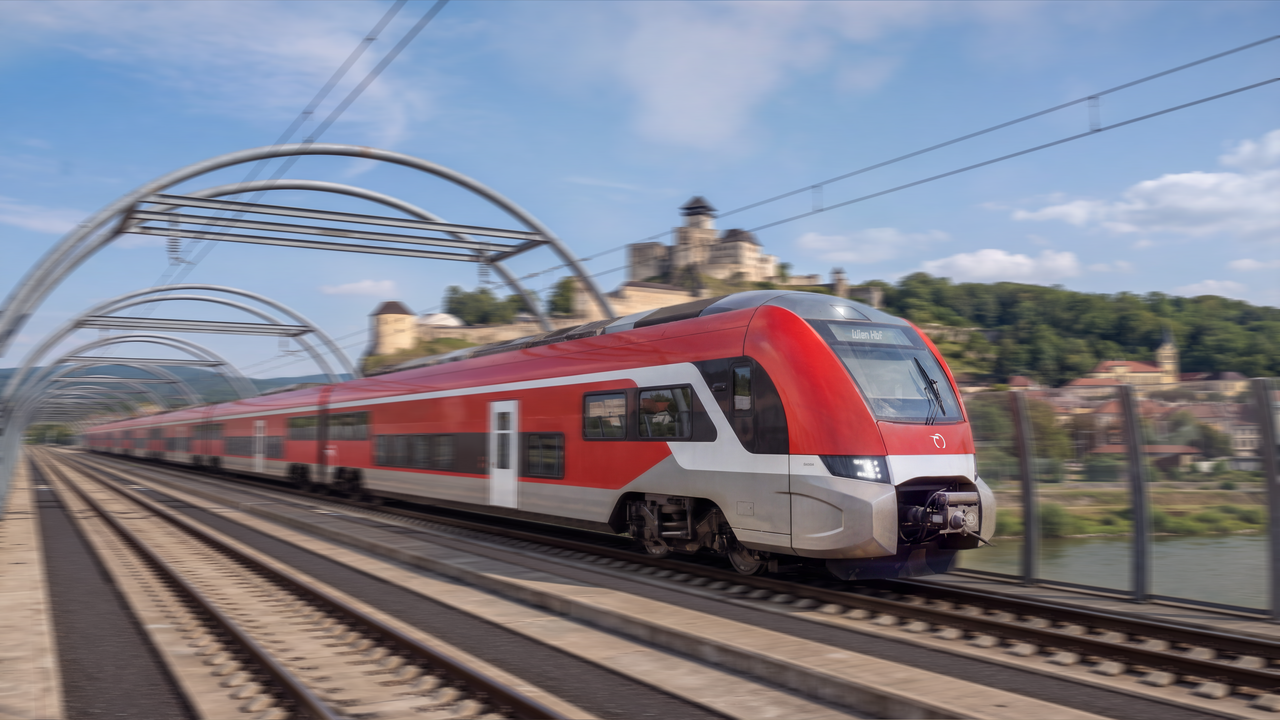
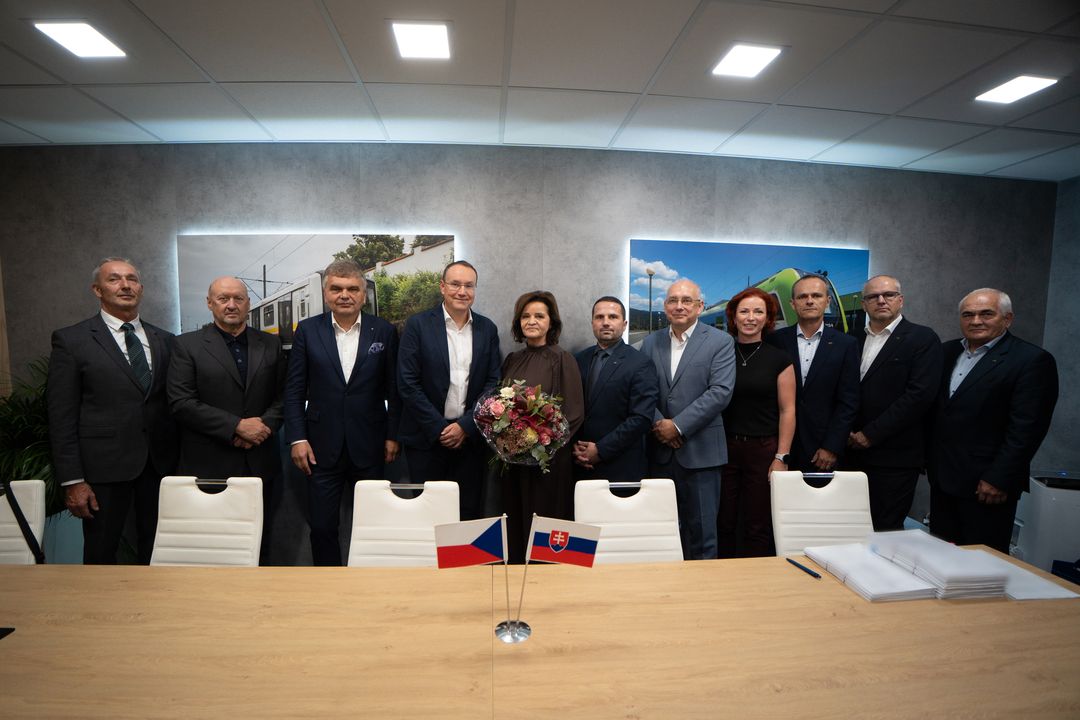
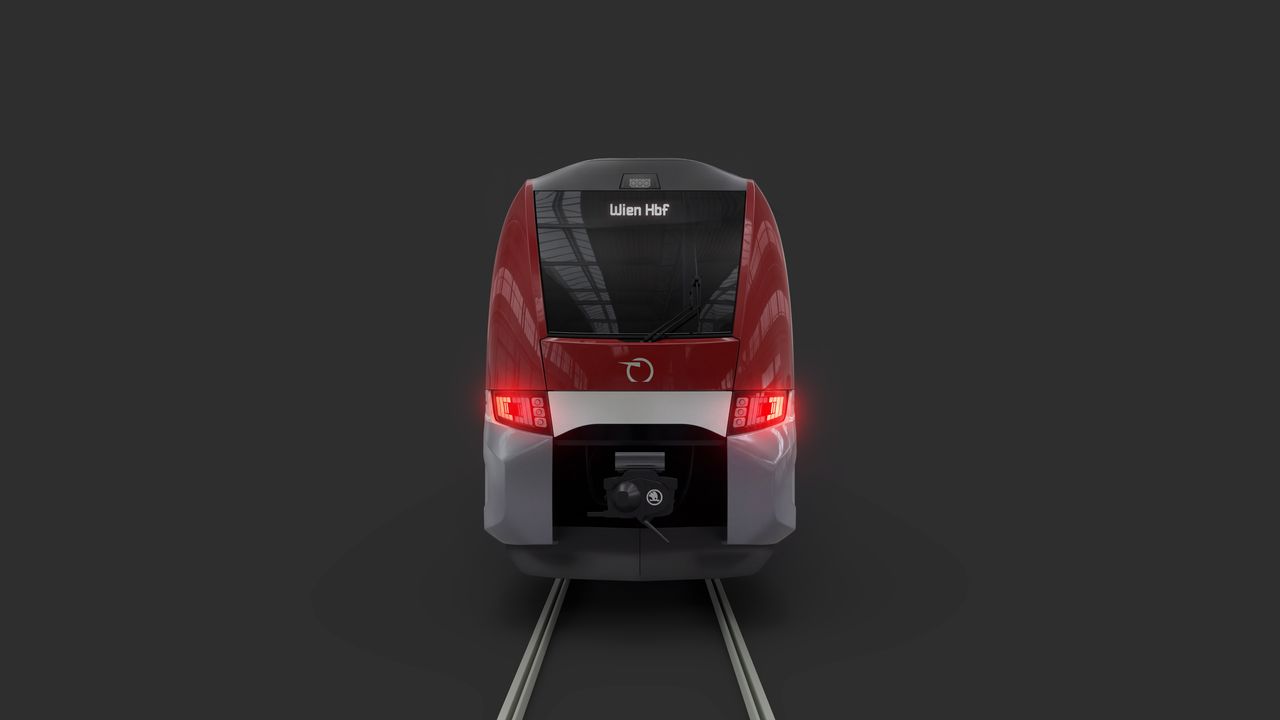
The consortium of Škoda Group and ŽOS Trnava has signed a contract with ZSSK (Železničná spoločnosť Slovensko, a.s.) for 8 new electric train units for long-distance services. The contract will enter into force once project financing has been secured. The first train units are expected to be delivered to ZSSK no earlier than 2032–2033. Upon delivery, the vehicles will be approved for operation in Slovakia, and within 12 months of the delivery of the first unit they will also obtain approval for operation in Austria. The contract includes ten years of servicing for the new trains, the supply of spare parts and diagnostic equipment, selected types of repairs, as well as training for ZSSK employees and the required technical documentation. If ZSSK exercises the option, the consortium may supply a further seven units and secure type approval enabling their operation in the Czech Republic and Hungary.

Rail vehicles are procured for decades, which is why we must plan their renewal well in advance. By signing this contract, we are completing an important stage of the public procurement process and creating the conditions necessary to continue, once financing has been secured, with one of the most significant fleet renewal programmes for long-distance transport. The new train units will provide passengers with greater comfort while also enabling us to redeploy higher-quality coaches from the main corridor to other routes, thereby gradually improving travel standards in additional regions as well.

Ivana Piňosová, Chairwoman of the Board and Chief Executive Officer of ZSSK

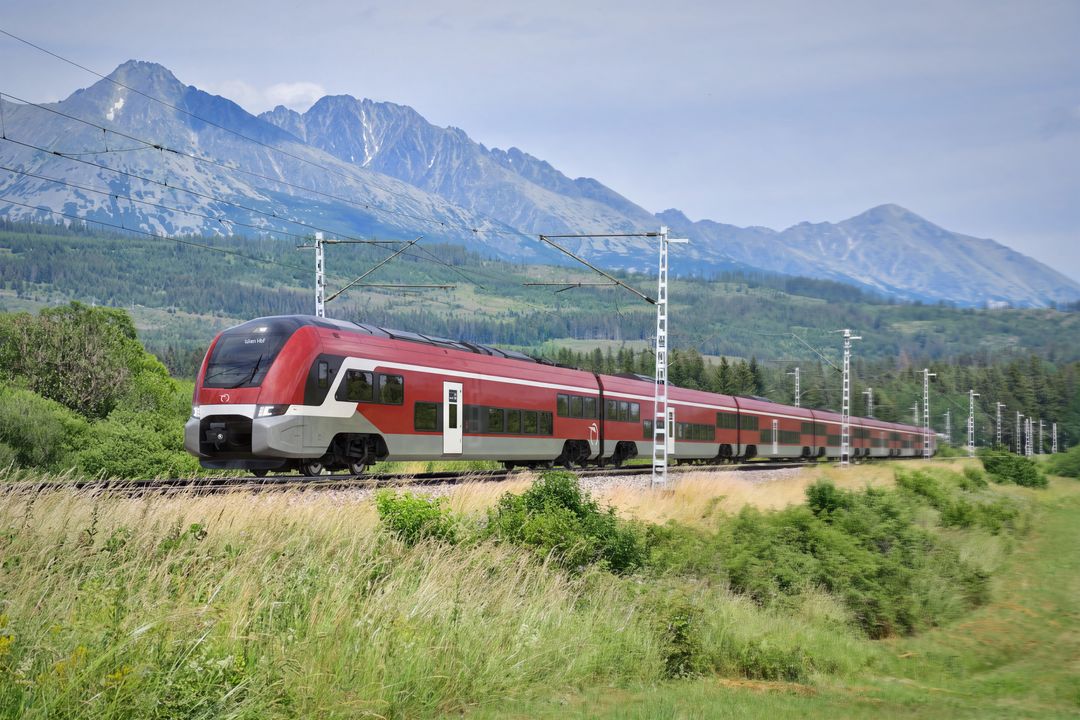
The new EMU550 units are a solution designed for modern long-distance rail transport. They combine speeds of up to 200 km/h, high capacity, comfort for passengers on long-distance routes and the ability to operate in several European countries and under several power supply systems. We greatly appreciate ZSSK’s trust and are pleased that our vehicles will contribute to further improvements in rail transport in Slovakia,” says Tomáš Ignačák, Vice-Chairman of the Board of Škoda Group, and adds: “This is the first tri-system variant of the new generation of Škoda electric multiple units designed for international long-distance services at speeds of up to 200 km/h.

Tomáš Ignačák, Vice-Chairman of the Board of Škoda Group

This project is another confirmation of our long-standing and successful cooperation with Škoda Group. Together, we aim to supply ZSSK with modern and reliable trains that will serve passengers in Slovakia and on international routes for decades. At the same time, the contract will contribute to the further development of our manufacturing know-how, provide our specialists with a long-term perspective, and strengthen ŽOS Trnava’s position in the European rail industry.

Miloš Kyselica, Vice-Chairman of the Board and CEO of ŽOS Trnava

The project also has a strong Czech-Slovak industrial dimension. Its implementation will be carried out jointly by Škoda Group and ŽOS Trnava, combining their experience and manufacturing expertise in the field of rolling stock. This cooperation builds on the long-standing tradition of the railway industry in both countries.

Tri-system units for international operation

The new trains are seven-car electric multiple units that will be capable of operating under three power supply systems – 3 kV DC and 15 kV 16.7 Hz and 25 kV 50 Hz AC. The seven-car, 190-metre-long trainset will have an installed power output of 3,760 kW and a maximum operating speed of 200 km/h. Its pressure-tight design and compliance with the requirements for Category B tunnels under the European TSI SRT specification for operation in tunnels will enable the trains to be deployed on modern high-speed lines and in long tunnels. The units will be able to operate independently or in multiple-unit operation. Two coupled units can be fully controlled by a single driver from one cab.

Comfort for long-distance travel

Each unit will offer a total of 566 seats. First class will have 75 seats, 18 of which will form a quiet zone. Second class will have 464 seats. A further 27 places will be provided by folding seats. The train will also feature a large dining area adjoining first class, with 32 seats intended primarily for the consumption of food and beverages. Passengers will have adjustable seats with individual reading lights. In first class, every seat will be equipped with a power socket and USB-A and USB-C connectors with fast-charging capability; in second class, this equipment will be available for each pair of seats. On-board comfort will be further enhanced by Wi-Fi, a modern passenger information system and interior lighting with continuous adjustment according to ambient light levels. The train will also have an information point with a workstation for the train manager. The car adapted for passengers with reduced mobility will also include a compartment for passengers with children, equipped with a children’s cinema and a play area. This compartment will have dedicated space for prams and 12 fixed seats arranged facing each other. Electric sliding doors will separate the passenger compartments from the boarding areas.

The focus on comfort will also be reflected in the design of the driver’s cab. The cab will be equipped with two seats, power sockets and USB ports, as well as a wireless phone-charging pad. The facilities will also include a microwave oven, a thermobox with heating and cooling functions, and holders for both cold and hot beverages.

 

Step-free travel and ample space for bicycles

The low-floor design will enable level boarding from platforms 550 mm above the top of rail. A large multifunctional compartment will be designed for wheelchair users, prams and bicycles. Each unit will provide two spaces for wheelchair users, seven spaces for prams and room for 16 bicycles. The accessible compartment will include a universal toilet and two lifting platforms compliant with TSI PRM requirements. These will enable boarding from platforms as low as 200 mm above the top of rail. The passenger information system will also be fully adapted to the needs of passengers with reduced mobility and orientation.

Modern diagnostics and on-board systems

The units will feature a modern control system that actively minimises energy consumption while taking timetable adherence into account and provides the driver and train crew with maximum support and simple operation. The diagnostic system will enable efficient maintenance planning, increase vehicle availability and, together with a ground-based monitoring system, reduce the volume of routine maintenance.

Škoda Group, in consortium with ŽOS Trnava, was successful in the public tender launched by ZSSK in March 2025. The tender covered the supply of eight electric multiple units for domestic and international long-distance services, with an option for a further seven trains and ten years of servicing. ZSSK announced the outcome of the tender in March 2026.

Škoda Group uspěla v konsorciu se společností ŽOS Trnava ve veřejném výběrovém řízení, které ZSSK vyhlásila v březnu 2025. Předmětem soutěže byla dodávka osmi elektrických jednotek pro vnitrostátní a mezinárodní dálkovou dopravu s opcí na dalších sedm vlaků a zajištěním desetiletého servisu. Výsledek výběrového řízení oznámila ZSSK v březnu 2026.

Logo