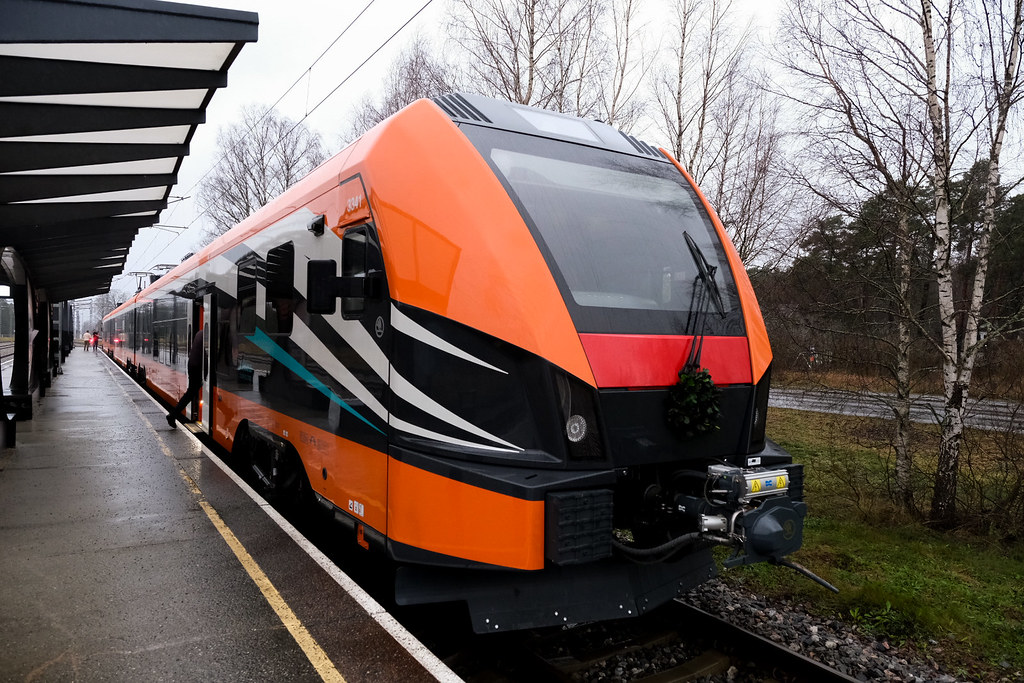
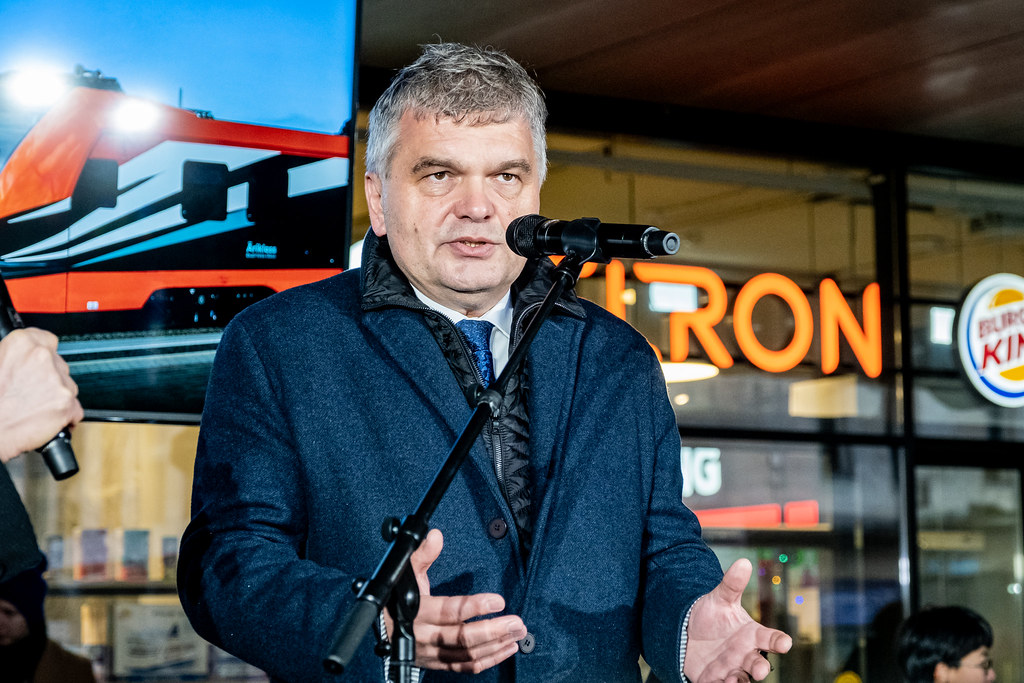
“A new chapter in Estonian rail transport has been opened. The electric trains manufactured by Škoda Group demonstrate our technological capabilities and extensive experience in modern rail transport, which we can apply to projects around the world. We are delighted to be able to make a significant contribution to improving the quality of public transport in the Baltic States, specifically in Estonia at present. Our trains currently operate in every Baltic country, and we also have trolleybuses and trams in Riga and Vilnius. In addition, new trolleybuses are also being manufactured for the Estonian capital, Tallinn,” said Tomáš Ignačák, Vice-Chairman of the Board of Directors of Škoda Group. “All trains have already been manufactured and have undergone rigorous certification directly on the tracks in Estonia and will now be put into operation one by one,” he added.
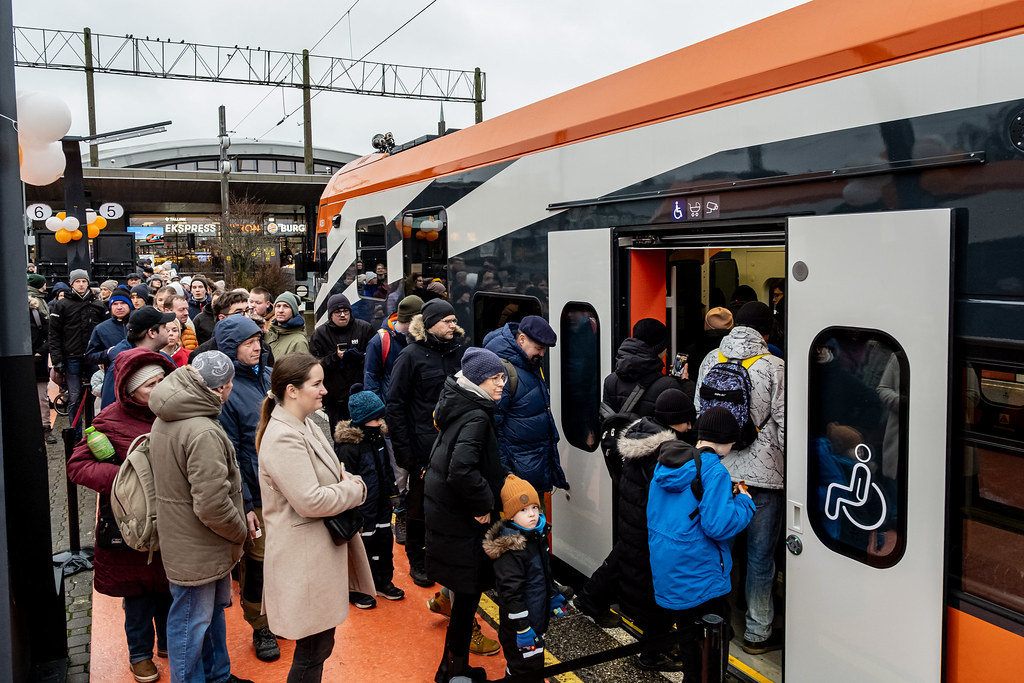
“The number of train passengers in Estonia has doubled over the past twelve years, reaching eight million passengers per year,” said Lauri Betlem, Chairman of the Management Board of AS Eesti Liinirongid (Elron), the company operating passenger rail services in Estonia. “To provide an even better travel experience as passenger numbers continue to grow, we will be introducing 16 new suburban and long-distance electric trains produced by Škoda Group over the course of next year. At the public presentation and test ride on 29 November, passengers gave very positive feedback on the new trains.”
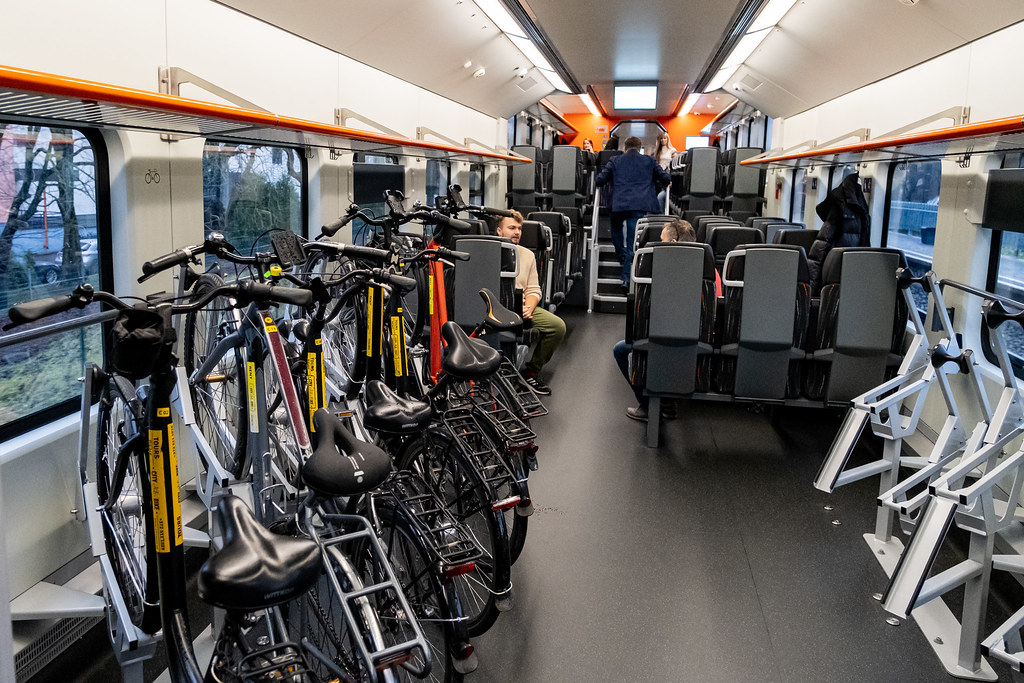
The new electric trains are based on the RegioPanter type, but are completely adapted to the specifics of the Estonian railway network, including a wide gauge of 1520 mm and a dual-system power supply of 3 kV and 25 kV 50 Hz. The trains, approximately 85 metres long, offer air conditioning, a modern audiovisual information system, Wi-Fi connection, sockets and USB ports, and space for people with reduced mobility, prams and bicycles. In addition, Škoda Group designers have designed the interior so that the passenger space can be flexibly rearranged according to seasonal needs – for example, by increasing the capacity for transporting bicycles in the summer months.
The Czech Ambassador to Estonia, Zdeněk Beránek, also attended the ceremonial launch of the unit in Tallinn. “We are witnessing an important moment for Estonian public transport and for mutual economic relations. The new trains represent a significant step forward in terms of comfort, technology and sustainability for travel in Estonia. I am proud that a company from Czechia can contribute to this progress,” he said at the launch of the first unit.