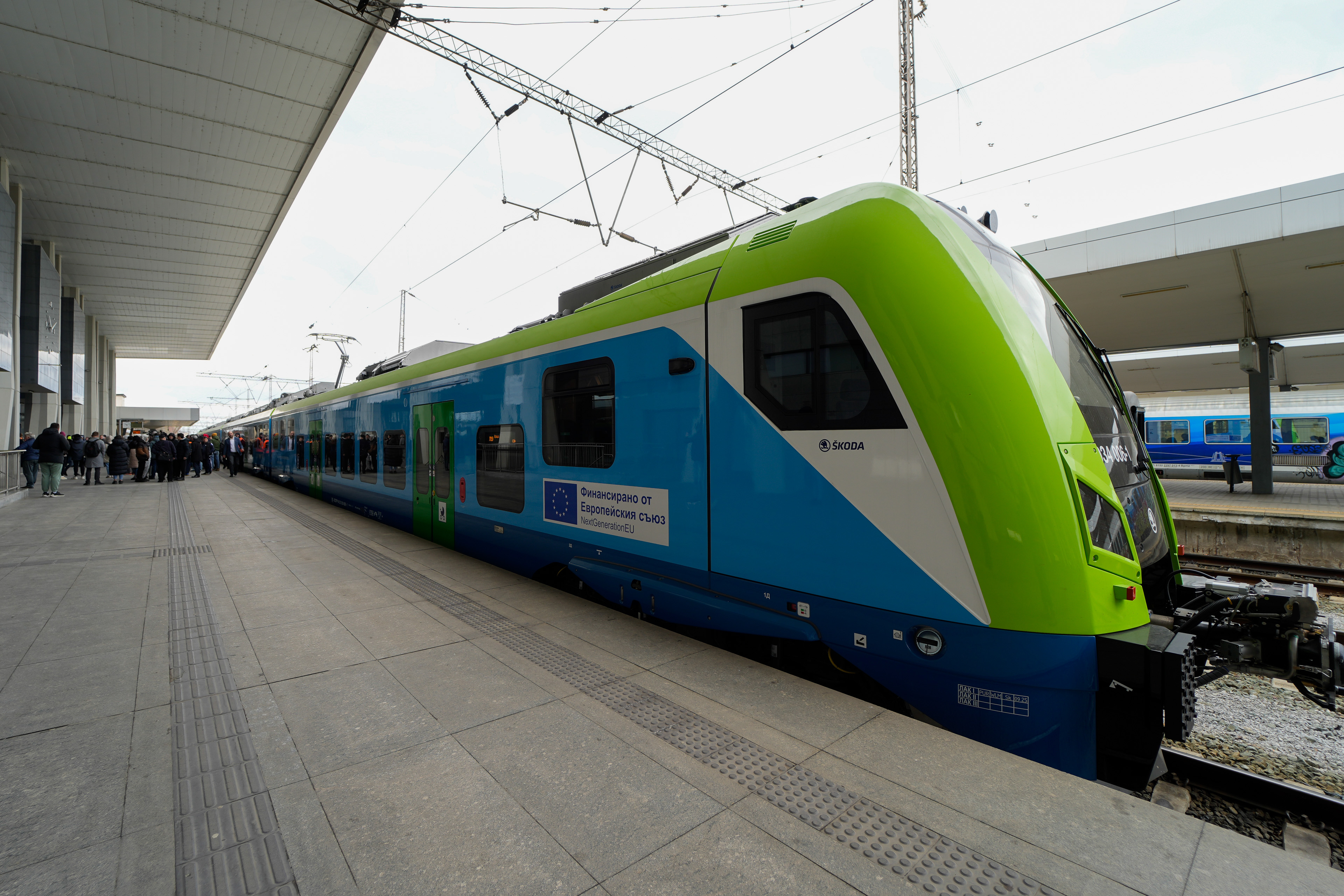
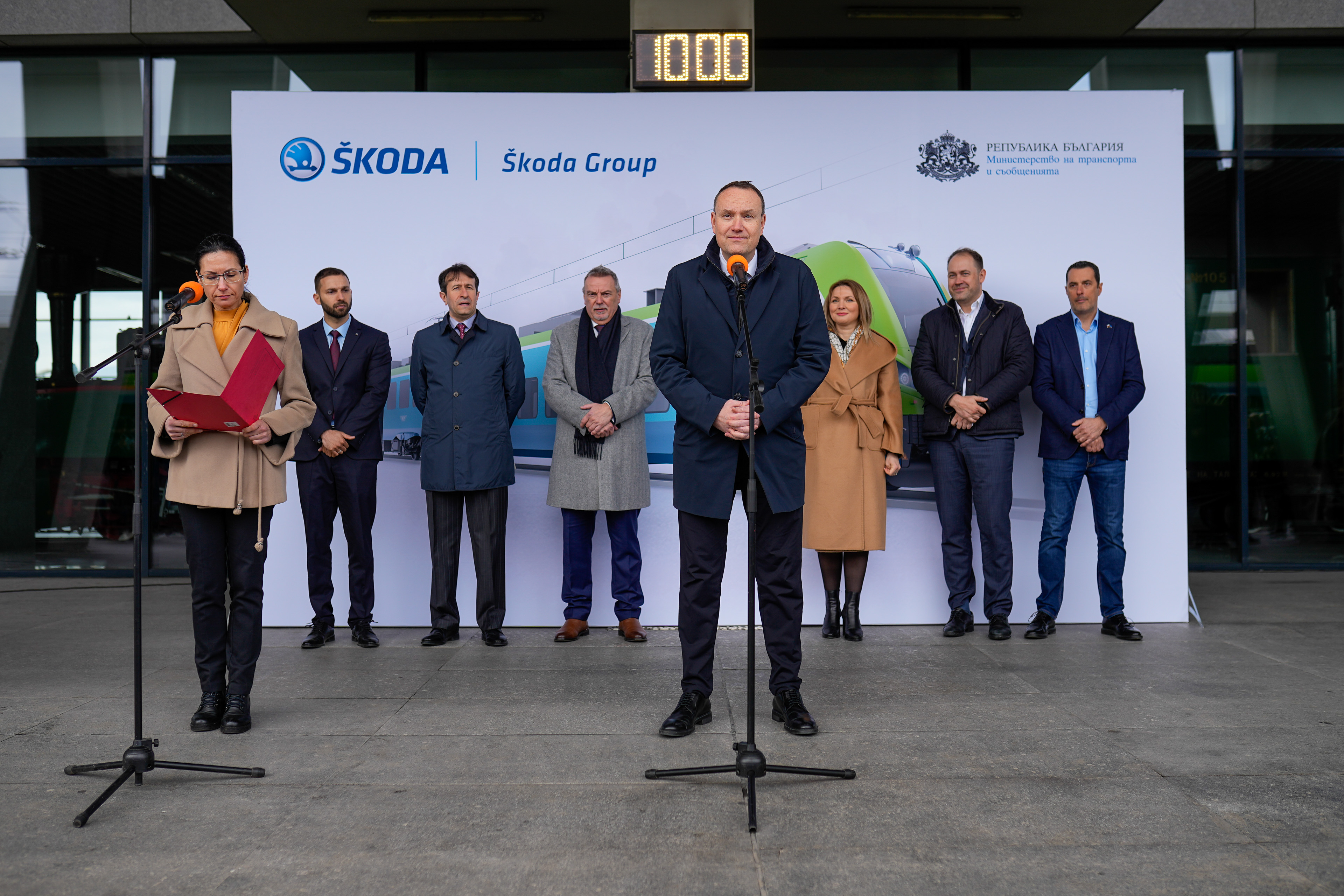
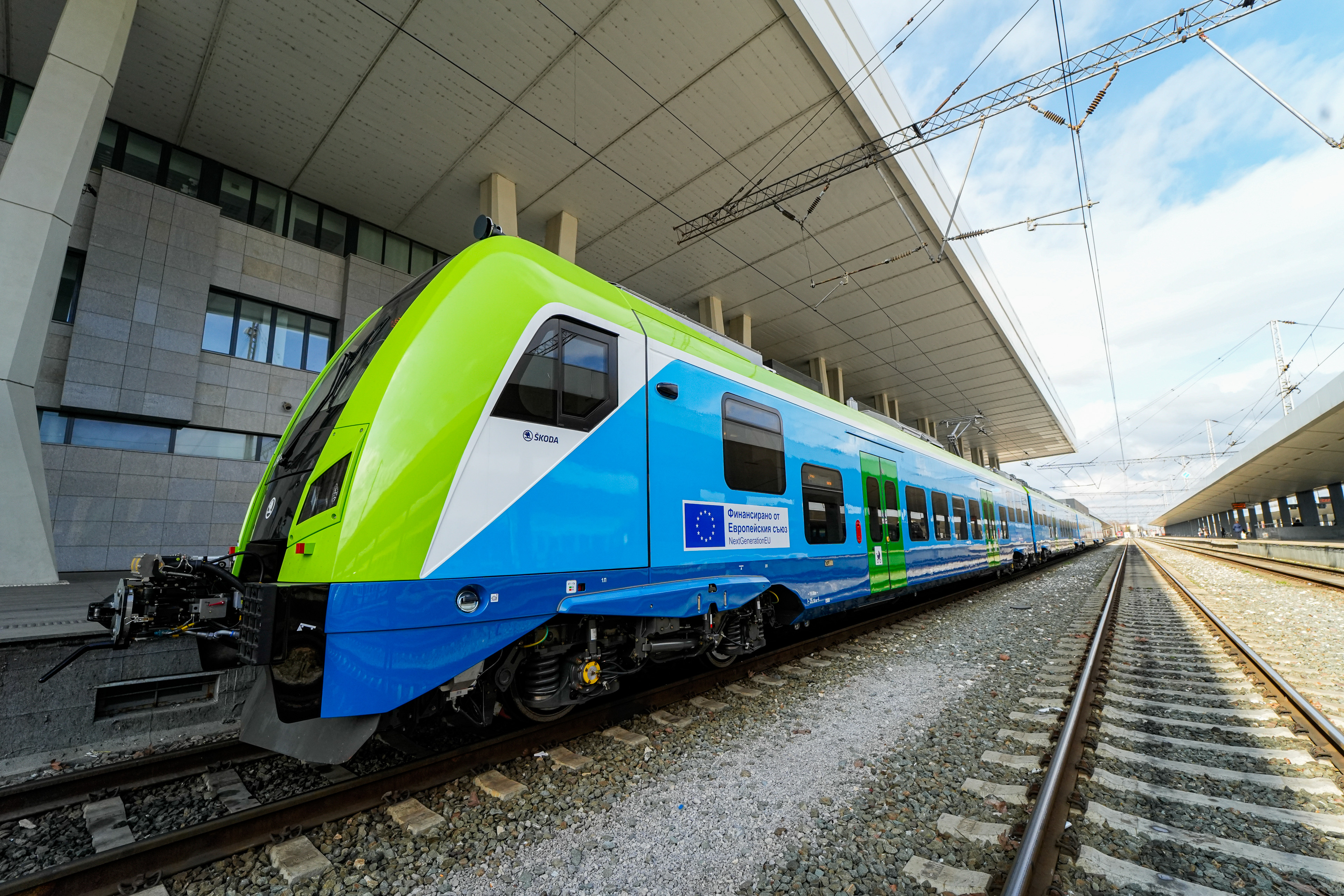
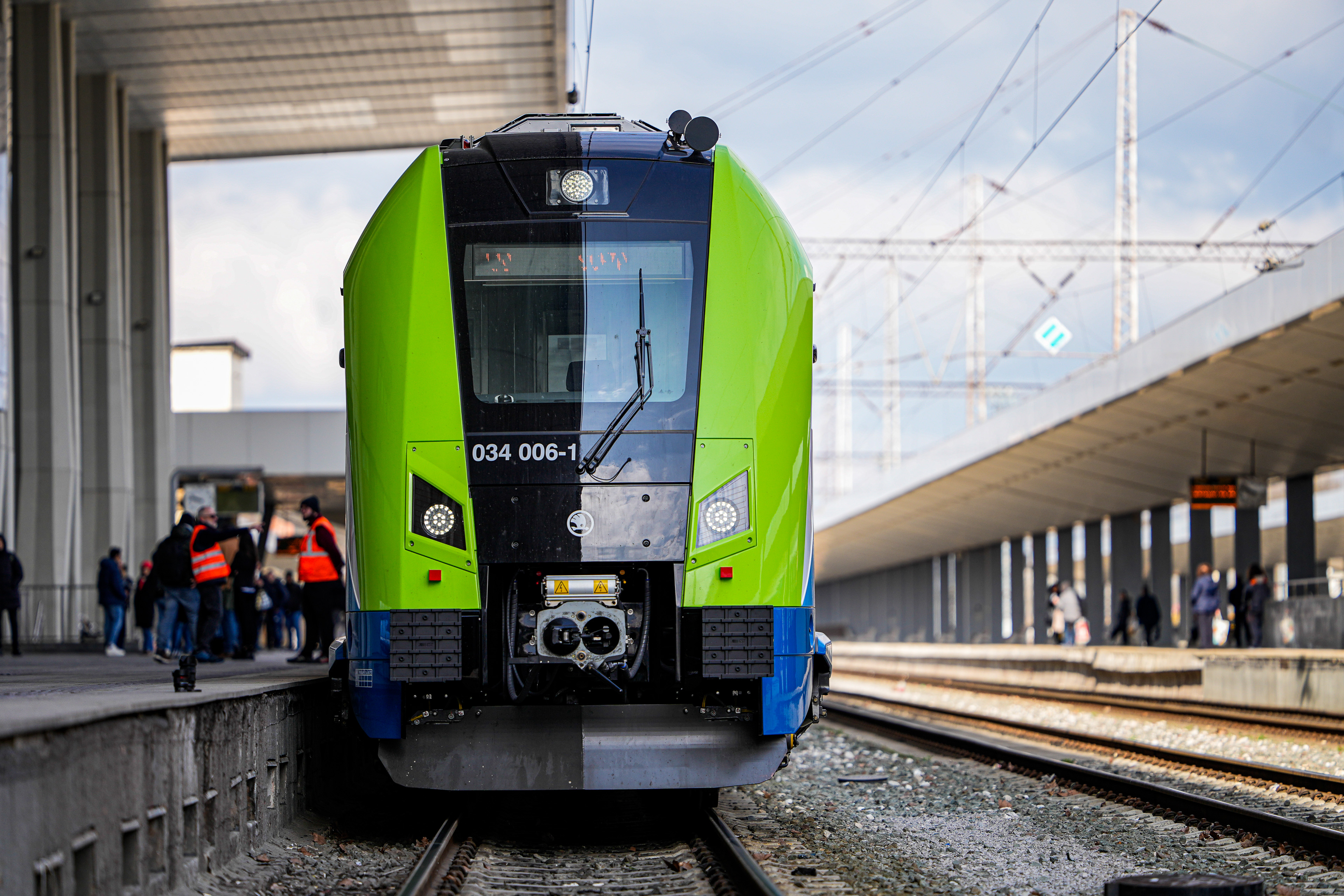
“Today’s presentation of the first train marks an important step in one of the most significant railway projects that Škoda Group has been implementing in Southeast Europe in recent years. In total, we are manufacturing 25 trains for Bulgaria based on the proven RegioPanter platform, which already serves millions of passengers in the Czech Republic, Slovakia, and more recently also on broad-gauge networks in Latvia and Estonia—both in fully electric and battery versions. We are pleased to cooperate with the Bulgarian Ministry of Transport in delivering its railway modernisation plan and in helping to make rail transport more attractive to passengers through modern rolling stock. Bulgaria has long been an important market for us, and this project confirms that Czech technologies can play a key role in the modernisation of its railway sector,” said Petr Novotný, CEO of Škoda Group.
“Bulgarian railways play a key role in connecting regions, supporting the country’s economic development, and ensuring accessible mobility for citizens. Therefore, the modernization of rail transport is among the state’s strategic priorities,” said Korman Ismailov, Minister of Transport and Communications of Bulgaria.
State-of-the-art modern European trains
The production of the first trains was completed within just 14 months of contract signing, representing an exceptionally short timeframe, especially given the extensive customisation required—ranging from a specific exterior livery and newly designed interior to adjustments of the passenger information system, as well as the integration of signalling technology and additional safety features.
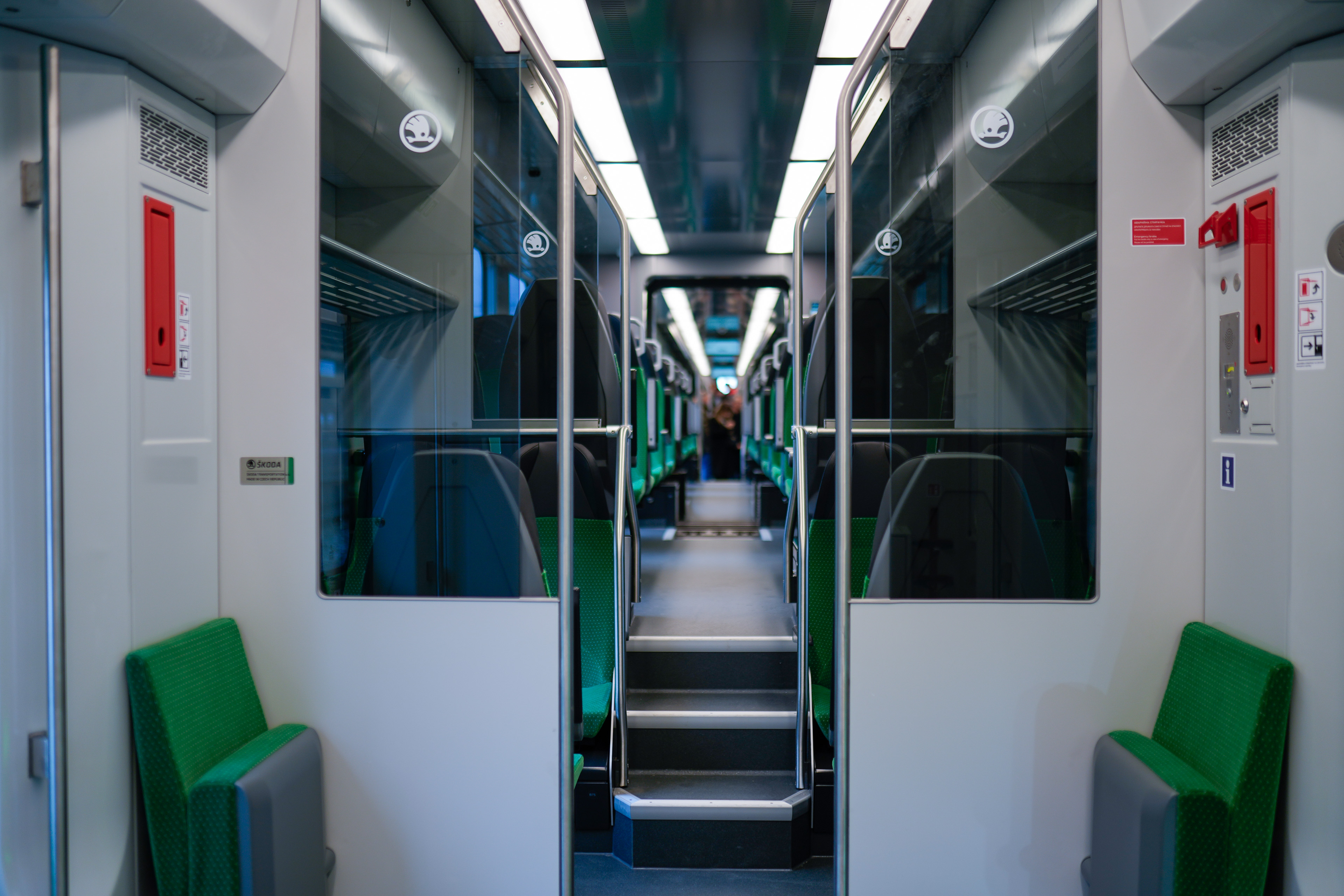
The new four-car electric trains are fully compliant with European technical and safety standards. Each unit offers more than 300 seats, a maximum operating speed of 160 km/h, and is powered by a 25 kV AC / 50 Hz overhead system. The trains are equipped with ETCS Level 2, air conditioning, Wi-Fi connectivity, onboard CCTV (both interior and exterior), ergonomic seating, and multifunctional spaces for passengers with reduced mobility, parents with prams, and cyclists. Thanks to their partially low-floor design, they ensure comfortable and barrier-free boarding and alighting for all passengers, including those with reduced mobility.
The contract includes not only the delivery of the trains but also 15 years of comprehensive maintenance, which will be provided by Škoda Group directly in Bulgaria. This model ensures long-term operational reliability for the operator as well as stable and predictable maintenance costs. The total contract value exceeds €500 million (approximately CZK 13 billion). “The value of the contract for the trains and their maintenance corresponds to roughly half of the Czech Republic’s annual exports to Bulgaria. This makes it a significant project not only for us but for the entire supply chain in the Czech Republic, as approximately 80% of the suppliers involved are Czech companies,” added Petr Novotný.
First two new trains on Bulgarian tracks – a key project milestone
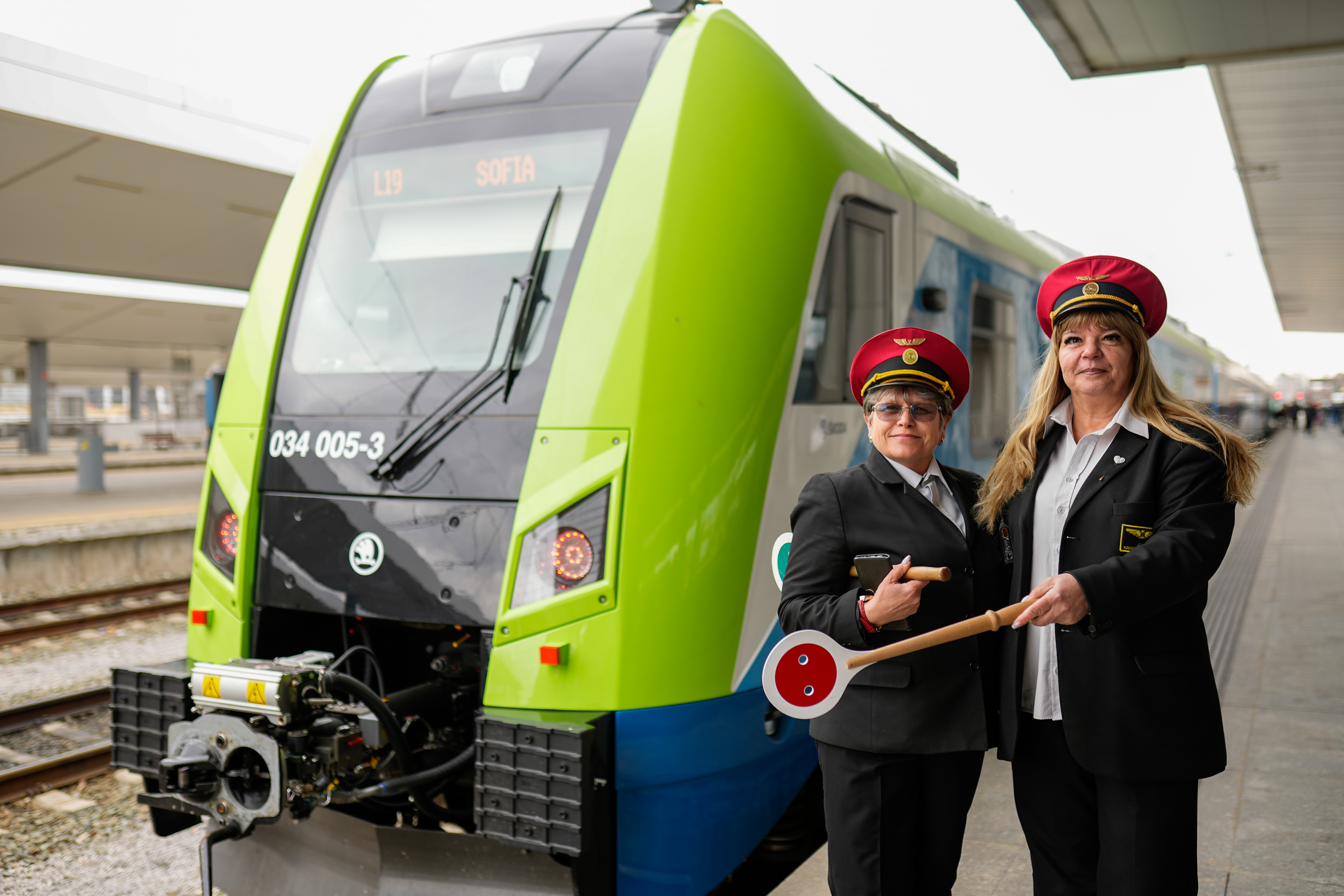
The first two electric trains are now in Bulgaria. Both units will undergo further certification processes and preparations for entry into service, in close coordination with the Bulgarian Ministry of Transport and the relevant railway authorities. “Placing the first two trains on Bulgarian tracks and launching their approval process represents a major milestone in the overall project implementation. The production of the remaining units continues according to schedule, and we remain in close cooperation with our Bulgarian partners to ensure the timely delivery of the entire fleet,” added Petr Novotný.
Škoda Group further strengthens its presence in Bulgaria
The electric train project forms part of Škoda Group’s broader expansion in the Bulgarian market. In addition to the 25 trains for the Ministry of Transport, the company is also delivering eight metro trainsets for Sofia, with the first unit ceremonially presented in November 2025. Recently, Škoda Group has also secured two contracts for the delivery of 75 new trolleybuses for Sofia, further strengthening its position as a key partner in the modernisation of public transport in Bulgaria and across the Southeast European region.