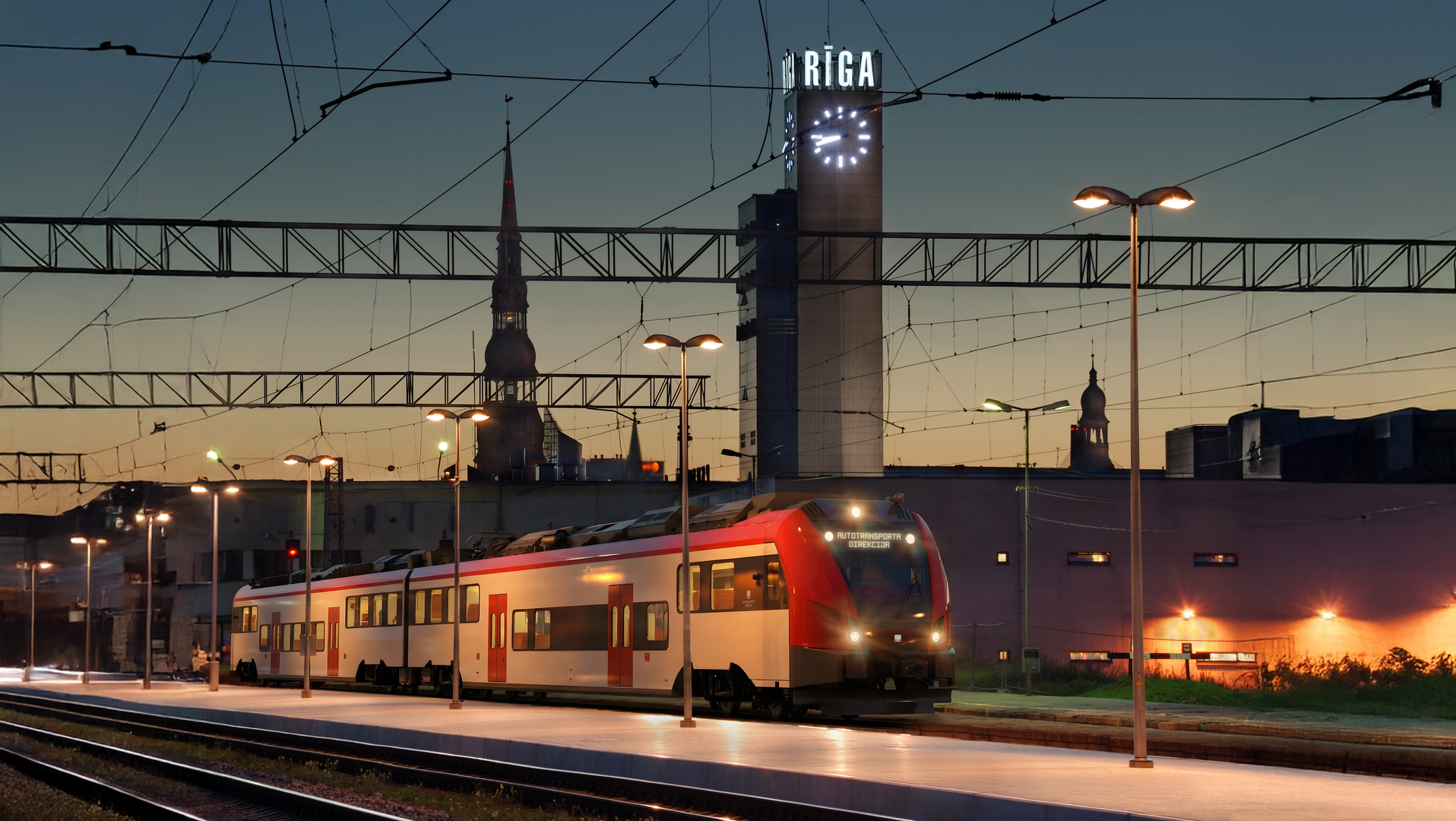
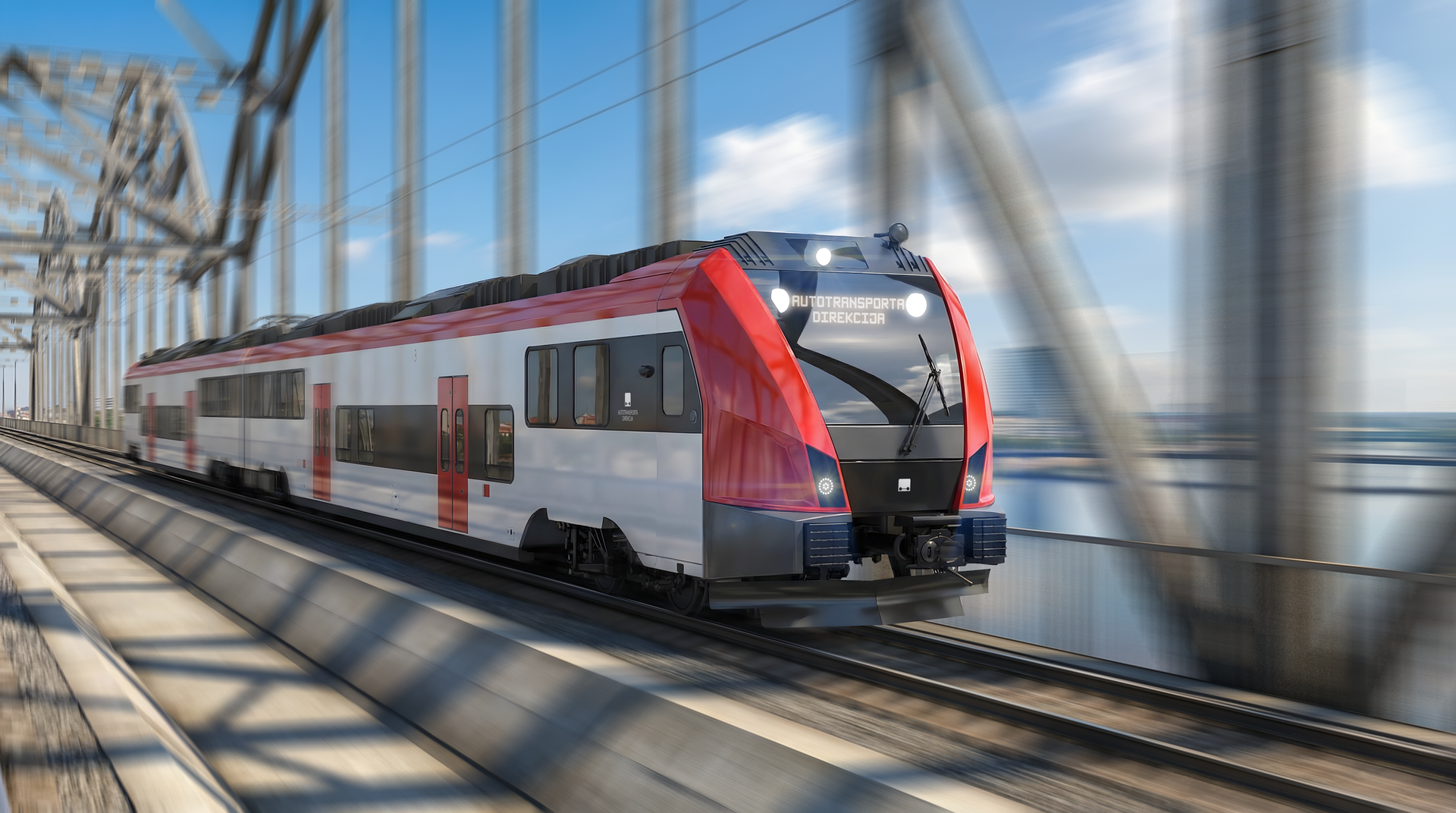
The units will also be the first Škoda Group battery-powered vehicles designed for a 1,520 mm gauge. They represent the next evolution of the successful platform of single-deck regional trains developed for the Baltic markets. The project is financed by the state budget of Latvia and EU Cohesion Funds, which are supporting the development of modern zero-emission mobility in Latvia.
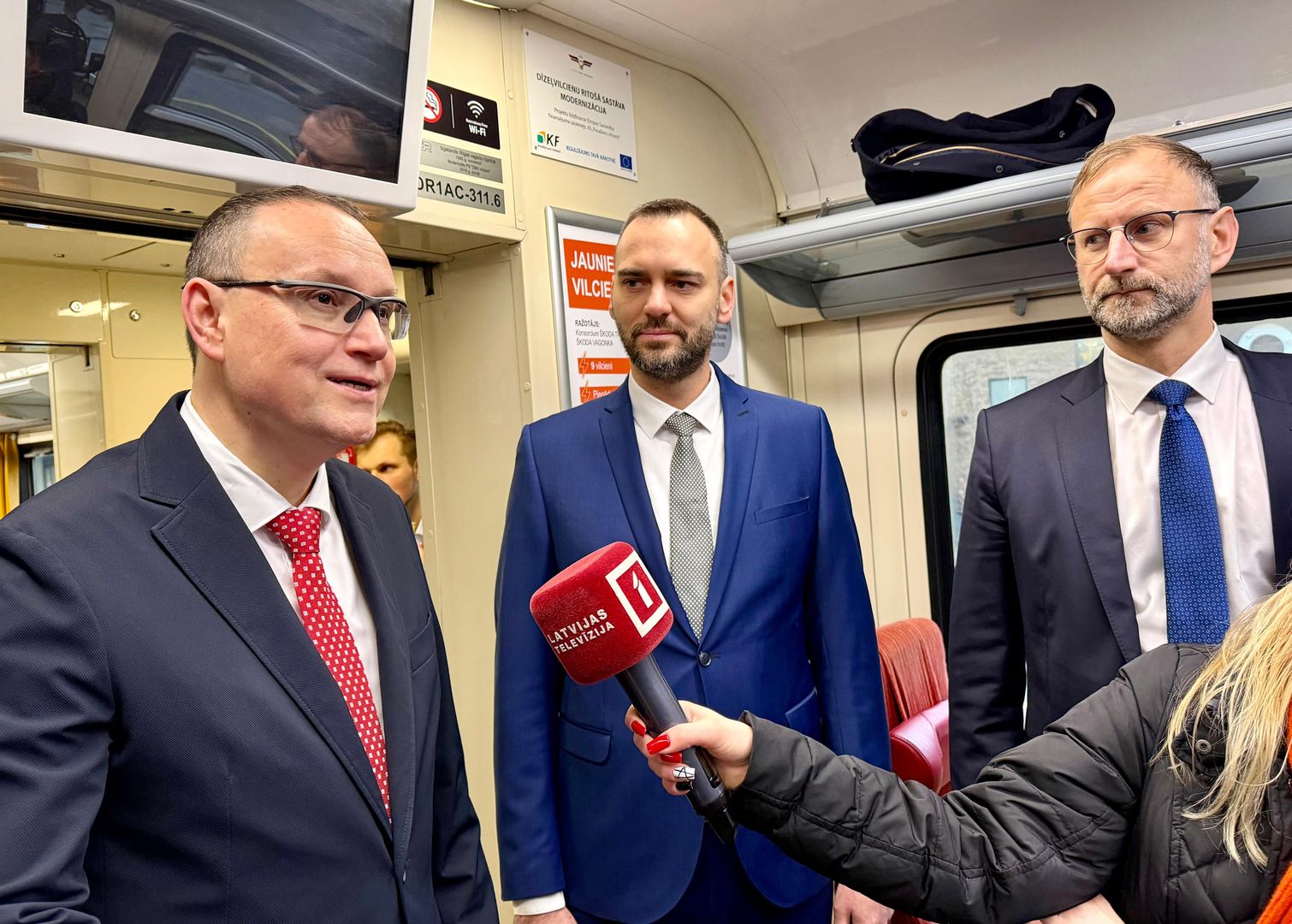
“Our new-generation battery units confirm that clean and efficient regional transport can be a reality today. And this without the need for extensive investment in infrastructure modernisation. The combination of electric and battery operation brings lower operating costs for transport operators and fast and comfortable connections without transfers for passengers. We see strong export potential for this solution, especially in Central and Eastern Europe. We are very pleased that we have concluded another export order for this type of vehicle in such a short time and that our solution has outperformed the competition here. At the same time, the Škoda Group is confirming its position as a leading European group in the field of rolling stock and solutions for zero-emission mobility,” says Petr Novotný, CEO of the Škoda Group.
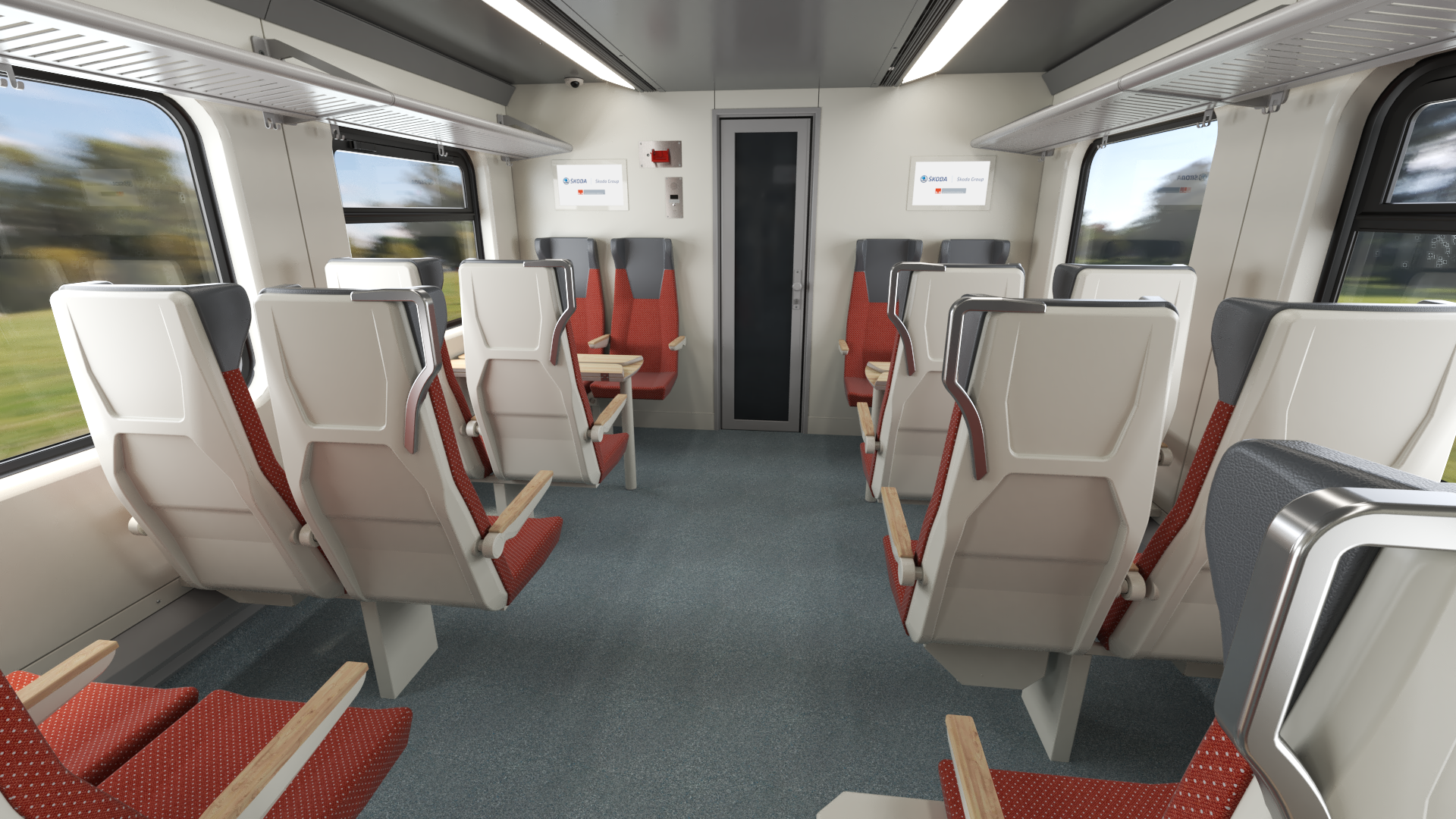
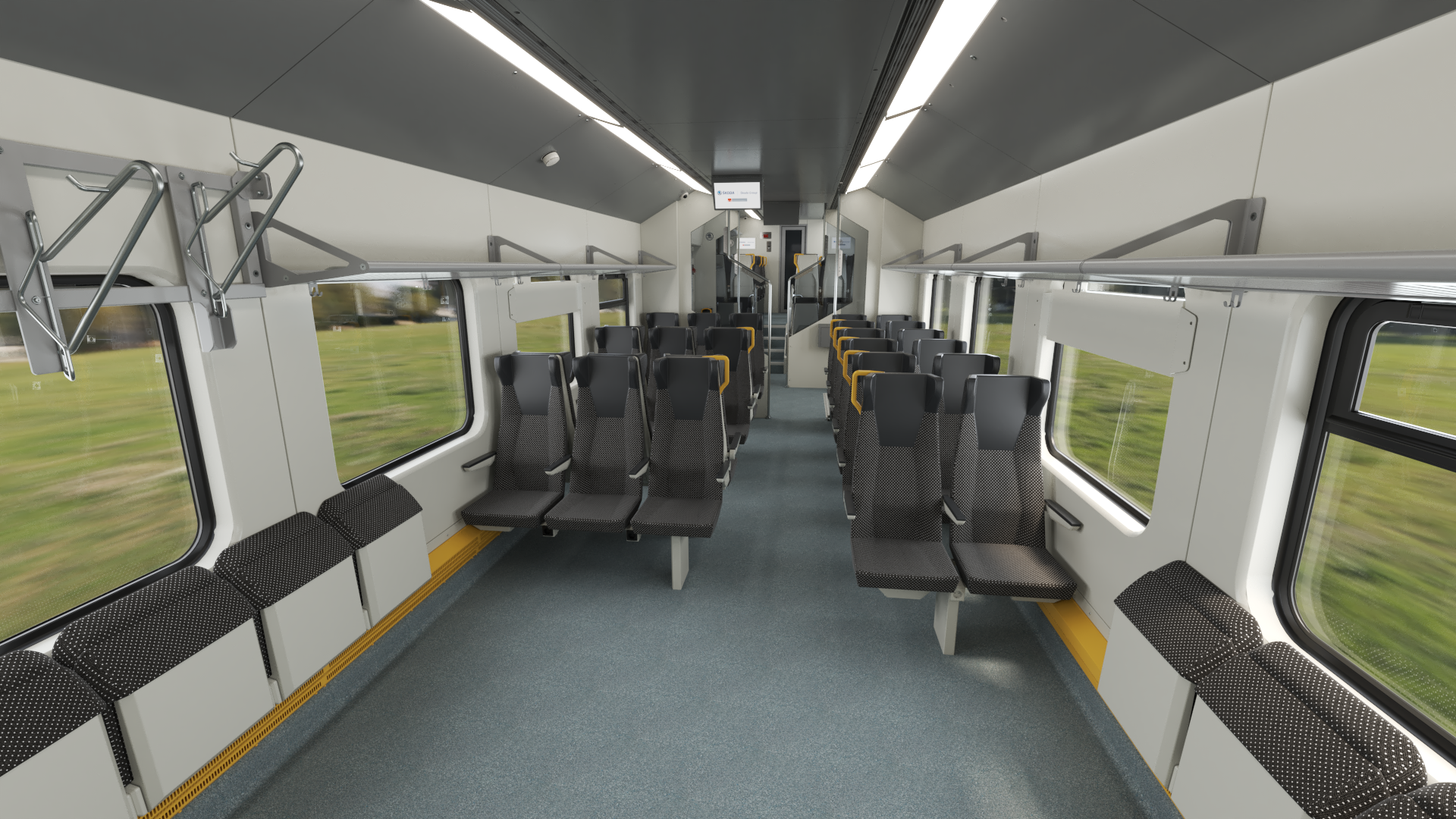
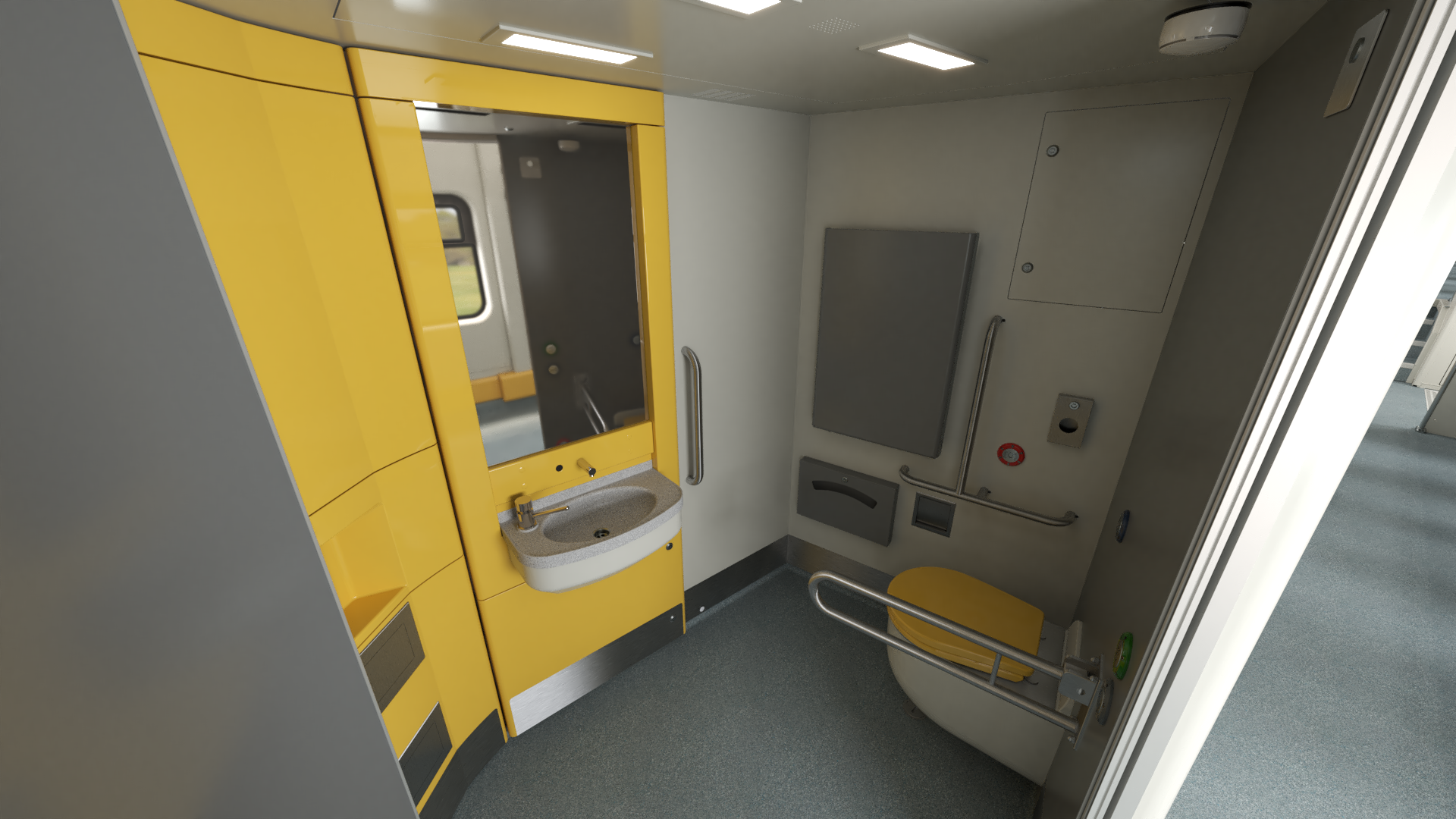
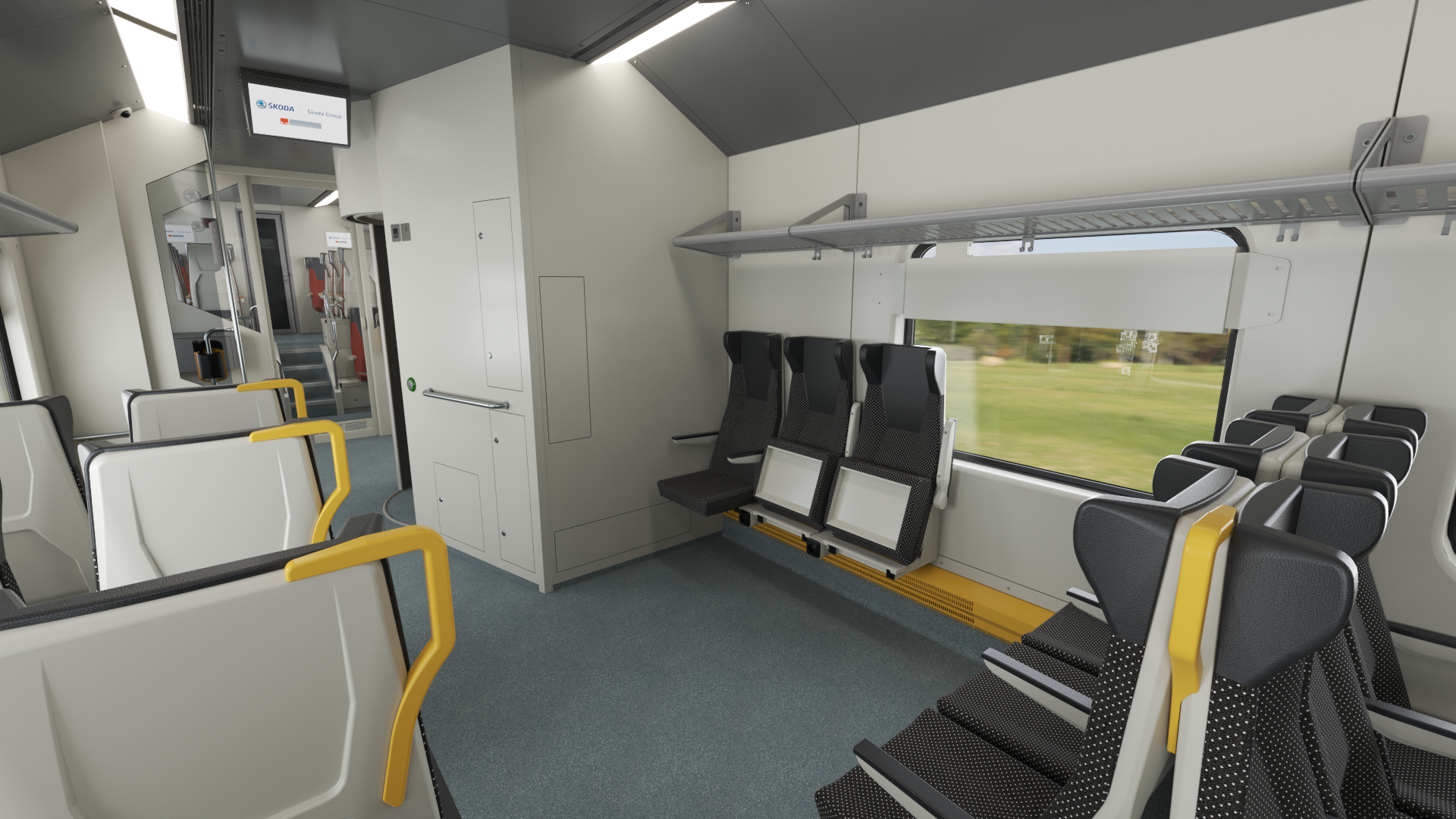
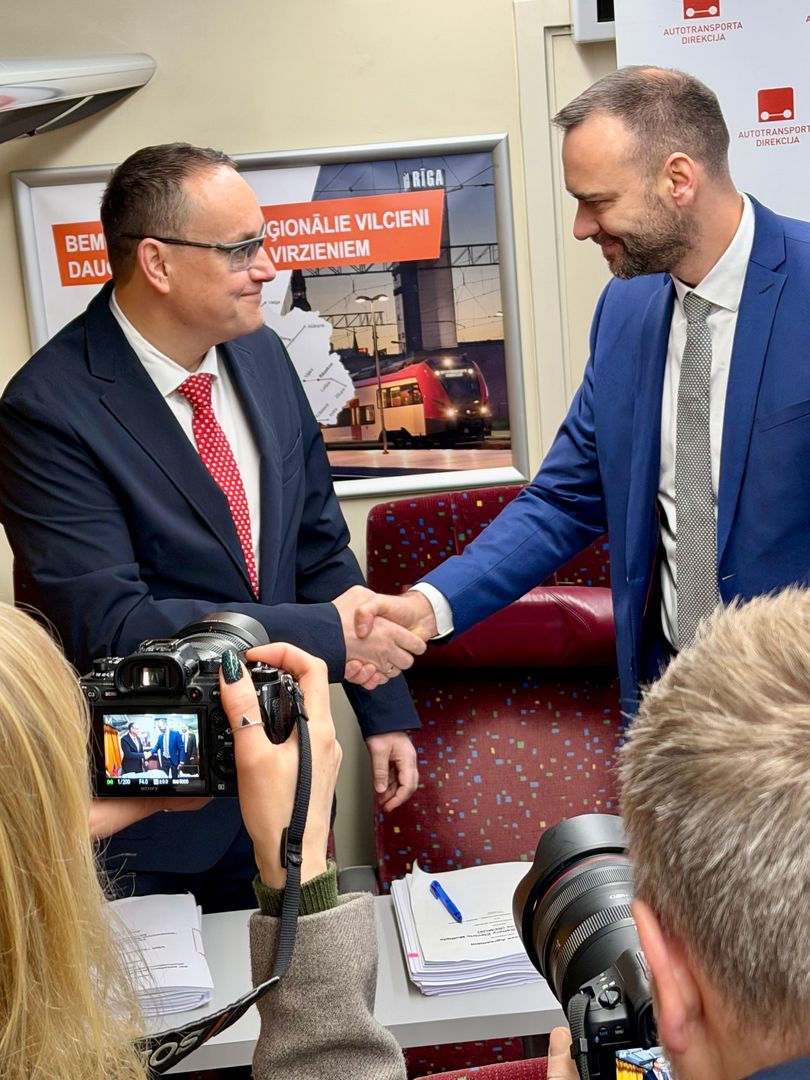
Jānis Lapiņš, Chairman of the Board of ATD commented the contract: “Battery-powered electric trains represent a significant investment for Latvia, aimed at strengthening the role of railways as the backbone of public transport and improving the quality and accessibility of passenger transport. During the journey, passengers will be able to enjoy all the modern conveniences: air conditioning, reduced noise and vibration, modern equipment, electrical sockets, and USB-C charging points. The new trains will be adapted to all passenger groups and will meet the latest European accessibility requirements, equipped with a modern information system and spaces for passengers in wheelchairs. Conditions for passengers with bicycles will also be improved. While old diesel trains usually have a high floor and only three spaces for bicycles, the new battery trains will have space for eight bicycles in the low-floor section, four in a vertical position and four in a horizontal position.”
Technology and parameters of the new generation BEMU for Latvia
The two-car unit is designed to operate on 3 kV DC and 25 kV 50 Hz AC power supply systems. The maximum speed is 160 km/h in trolley mode and 120 km/h in battery mode. The train offers a capacity of up to 188 seats for seated passengers, 24 of which are in 1st class. The seat configuration in 2nd class is 3+2, and in 1st class it is 2+2. The unit is also adapted for transporting bicycles, for which eight spaces are reserved. Comfortable boarding is ensured by a low-floor design with a floor height of 600 mm above the top of the rail.
Basic technical parameters:
- Gauge: 1,520 mm (compatible with 1,524 mm)
- Unit length: 56,540 mm
- Width: 3,430 mm
- Height: 4,560 mm
- Maximum speed: 160 km/h (trolley) / 120 km/h (battery)
- Number of seats: 188 (including 24 in the 1st class)
- Number of bicycle spaces: 8
- Minimum curve radius: 150 m
- Entry height: 600 mm
Strengthening of Škoda Group’s presence in the Baltic region
The delivery of battery trains for ATD follows up on Škoda Group’s successful cooperation in Latvia, where 32 Škoda 16Ev electric units (EMU) are currently operated by the national carrier ViVi. These trains achieve long-term availability of over 99% and have collectively operated over eight million kilometres.
“Winning the tender to manufacture up to 16 battery trains for Latvia confirms the growing role of the Škoda Group in the Baltic region. In addition to the electric units and the newly ordered BEMUs, we also supply electric units to Estonia and trolleybuses to its capital of Tallinn. We have also recently completed the delivery of trolleybuses to Vilnius, the capital of Lithuania,” adds Petr Novotný.
Positive experiences from the Czech Republic
The first battery trains from the Škoda Group, on which the technologically new trains for Latvia follow up, were deployed in the Moravian-Silesian Region in the Czech Republic in December 2024. During the first ten months, these units operated a total of more than 600,000 kilometres, with almost half of this distance covered in battery mode. The deployment of four BEMUs here means annual savings of at least 200,000 litres of diesel and approximately 500 tonnes of CO2 emissions. At the same time, the deployment of modern trains and shorter journey times have led to a significant improvement in the quality of service for passengers, which has been reflected in a 20% year-on-year increase in passenger numbers. This means further benefits for transport operators and savings for transport customers.